Power quality analysers, loggers and monitoring
Nuisance tripping, overheating motors and unexplained resets often trace back to the supply itself. Fluke power quality analysers and loggers capture what is really happening on every phase, so you can find the cause and fix it.
A breaker that trips for no obvious reason. A motor that runs hot. Sensitive electronics that reset when a large load switches on. Problems like these rarely start where they show up, and the real cause often hides in the supply itself. Poor power quality, from harmonics and voltage dips to unbalance, flicker and a weak power factor, quietly undermines uptime, shortens equipment life and inflates energy bills. Measuring it is how you turn a recurring mystery into a fault you can actually fix.
Why power quality problems are so hard to pin down
The awkward part is that power quality issues come and go. A voltage dip lasts a fraction of a second. Harmonics rise and fall with the load. A disturbance that trips a line at three in the morning leaves nothing to see by the time anyone investigates. A single spot reading with a handheld meter almost never catches it, which is why serious work depends on monitoring and logging over time rather than a one-off check.
Three-phase systems add another layer. Voltage, current, power and distortion have to be captured on every phase at once and then correlated, because the symptom on one phase can trace back to a load or an event on another. To be defensible, those measurements also need to follow recognised methods such as IEC 61000-4-30, and to be judged against supply standards like EN 50160. That combination, intermittent faults, three phases and formal methods, is what makes power quality analysis a discipline rather than a quick test.
How Fluke helps you measure and monitor power quality
Fluke builds a connected family of power quality instruments so you can match the tool to the job, from a fast troubleshooting visit to a monitoring campaign that runs for weeks. Rather than one device trying to do everything, the range lets you scale from a portable check to continuous three-phase recording.
Power quality analysers
A portable power quality analyser captures harmonics, dips, swells, transients, flicker and unbalance across all three phases, so you can see disturbances as they happen and trace them to a source.
Power and energy loggers
A power logger or energy logger records voltage, current, power and consumption over days or weeks, which turns a load study or an energy survey into hard data instead of guesswork.
Power quality monitoring and recording
For assets that cannot tolerate surprises, continuous power quality monitoring and recording watch the supply around the clock and flag events the moment they occur.
Three-phase power analysers
A three-phase power analyser measures every phase simultaneously, so power measurement, power factor and distortion line up on a single, coherent picture.
Power quality software
Downloading logged data into analysis software lets you review trends, correlate events and produce a clear report, which shortens the path from measurement to decision.
What good power quality measurement delivers
Measuring power quality is not an end in itself. It protects the things that depend on a clean, stable supply. With the right power quality meter or analyser in hand, you locate the root cause of nuisance tripping faster, you catch harmonics and overheating before they damage motors and drives, and you find the wasted energy that a poor power factor or an unbalanced load quietly adds to every bill. You also gain evidence: a logged record that supports a warranty claim, settles a dispute with a utility, or documents compliance. The outcome is less unplanned downtime, longer asset life and decisions backed by data rather than hunches.
The technology behind reliable power quality analysis
Trustworthy results come from measuring the whole waveform, not just an average. True-RMS measurement across every phase captures the real shape of distorted signals, while fast sampling catches the brief transients and dips that cause the most trouble. Event capture time-stamps each disturbance so you can line up cause and effect, and on-board logging keeps the record running even when nobody is watching. Measuring to established methods keeps the numbers comparable and defensible, and analysis software ties the whole campaign together. The technology is there to serve one goal: a faithful, repeatable view of what the electrical system is really doing.
Choosing the right power quality analyser
The best power quality analyser is the one that fits your system, your standards and the way you work, whether you need a portable instrument for troubleshooting or a recorder for a long monitoring study. If you are weighing up analysers, power loggers and energy loggers, a short conversation saves a lot of guesswork. Talk to a Fluke specialist to match the instrument to your application, request a demonstration, or find an authorised Fluke dealer to move from a shortlist of power quality instruments to a solution working on your site.
Related articles
 Best for three-phase energy and load studiesPower and energy loggers
 Best for power quality testingPower quality analyzers and meters
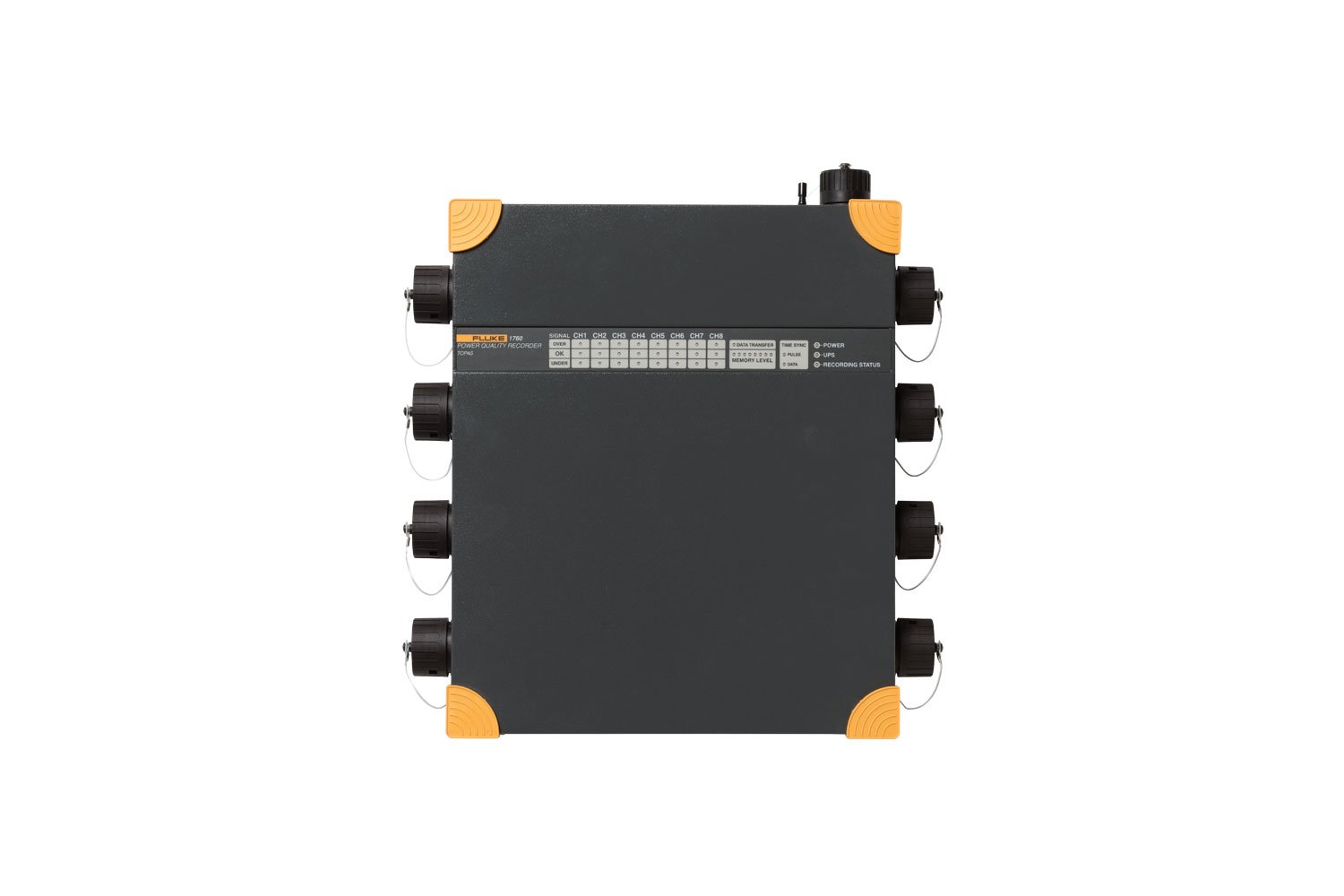 Best for recording the most detailed dataPower quality recorders and monitors

Fluke 1770 Series Three-Phase Power Quality Analyzers
Eliminate the complexities of three-phase power quality logging, troubleshooting, and analysis.

Fluke 1732 and 1734 Three-Phase Electrical Energy Loggers
The Fluke 1732 and 1734 Three-Phase Electrical Energy Loggers allow you to discover sources of...
Fluke 1742, 1746 and 1748 Three-Phase Power Quality Loggers
The Fluke 1742 , 1746 and 1748 Three-Phase Power Quality Loggers are the best tools to troubleshoot,...
Fluke 1736 and 1738 Three-Phase Power Quality Loggers
Versatile, three-phase Fluke Connect-compatible power loggers for conducting energy, load and power...
Fluke 1760 Three-Phase Energy Logger
The Fluke 1760 correlates multiple events, and provides undisputable verification in a Class-A...
Fluke VR1710 Single Phase Power Quality Recorder & Voltage Recorder
Detect and record parameters including RMS average, transients, flicker and harmonics with Fluke...
Fluke Norma 4000 Power Analyzers
Compact power analyzer. Take precision measurements of 1 or 3 phase current and voltage, harmonics...
Fluke Norma 5000 Power Analyzers
Highest accuracy 6-phase power analyzer. Measure voltage, current, and power harmonics.
Fluke 1760TR Three-Phase Power Quality Recorder
Power Quality Monitor – Fluke’s three-phase power quality recorder is fully compliant to IEC...
Fluke 1760 Basic Three-Phase Power Quality Recorder
Power Quality Monitor – Fluke’s three-phase power quality recorder is fully compliant to IEC...
Fluke 1760TR Basic Three-Phase Power Quality Recorder
Power Quality Monitor – Fluke’s three-phase power quality recorder is fully compliant to IEC...


